

Registering a car in California is a vital step for any new or existing vehicle owner, ensuring legal compliance and facilitating seamless operation on state roads. However, navigating the process can be confusing, given the stringent requirements and complex procedures involved. This authoritative guide aims to demystify the car registration journey by offering a step-by-step approach tailored to California’s unique regulations. From gathering essential documents to utilizing reliable tools like the DMV VIN verifier, we equip you with the knowledge to streamline the process effectively and efficiently.
- Prepare Required Documents for Car Registration
- Visit California DMV: Step-by-Step Guide
- Verify Vehicle Identification Number (VIN) Accurately
- Complete and Submit the Application Form Correctly
- Pay Registration Fees and Receive Your Plate
Prepare Required Documents for Car Registration

Registering a car in California involves a series of steps, with proper documentation being key to a smooth process. Before you begin, it’s crucial to gather all necessary papers. The California Department of Motor Vehicles (DMV) requires specific documents for car registration, ensuring vehicle authenticity and compliance with state laws. A key component of this process is the Vehicle Identification Number (VIN) inspection and verification.
For instance, when purchasing a used car, you’ll need the seller to provide a valid VIN from the vehicle’s manufacturer, along with the title and other required forms. The DMV utilizes a VIN verifier, often available through mobile apps or online tools, to cross-reference the provided number with its database. This ensures that the VIN is accurate and matches the recorded data for the specific vehicle. Mobile VIN verification services have become increasingly popular due to their convenience and accessibility; these apps can perform real-time checks, providing instant feedback on a vehicle’s history and condition.
To prepare effectively, gather your vehicle’s registration documents, proof of ownership (such as a title or bill of sale), and any relevant inspection certificates. It’s advisable to check the DMV’s website for the most up-to-date list of required paperwork. Additionally, consider using a mobile VIN verifier early in the process; this initial step can save time and help you identify potential issues before proceeding with registration. By being well-prepared with these essential documents, you’ll streamline the car registration process in California.
Visit California DMV: Step-by-Step Guide

Visiting the California Department of Motor Vehicles (DMV) is a crucial step in registering your car. Here’s a detailed, step-by-step guide to ensure the process goes smoothly. First, gather all necessary documents such as your driver’s license, proof of insurance, and vehicle registration from your previous state (if applicable). You’ll also need the Vehicle Identification Number (VIN) of your car—a unique code that can be easily verified using a mobile VIN inspection or verifier, ensuring accuracy before heading to the DMV.
When you arrive at the DMV, locate the designated window for registration services. An agent will request your documents and verify their authenticity. They’ll also perform a comprehensive check on the vehicle history using the provided VIN. This step is vital as it helps identify any outstanding issues or recalls related to your car, which could delay the registration process. If everything checks out, the agent will update your information in the system and issue a new registration card.
In California, mobile VIN inspection services have become increasingly popular due to their convenience and efficiency. These services allow you to verify your VIN outside of traditional DMV hours or before visiting the office, saving you valuable time. Some providers even offer on-site inspections for added convenience, ensuring that you can complete the registration process with minimal hassle. This modern approach to VIN verification underscores California’s commitment to streamlining vehicle registration procedures.
Verify Vehicle Identification Number (VIN) Accurately

Verifying the Vehicle Identification Number (VIN) accurately is a crucial step in the car registration process in California. This unique 17-character code serves as a fingerprint for your vehicle, providing critical information about its make, model, year, and even manufacturing defects. Using a trusted DMV VIN verifier or a reliable mobile vin inspection tool ensures you have accurate data, which is essential when dealing with official bodies like the California Department of Motor Vehicles (DMV).
Many owners opt for mobile vin verification services, as they offer convenience and speed. These services often employ advanced technologies to cross-reference the VIN against authoritative databases, providing instant validation. For instance, a 2018 study by the California DMV revealed that about 15% of vehicles had discrepancies in their VIN records, highlighting the importance of thorough vin inspection. Regularly checking and documenting your VIN can help prevent issues like insurance claims or title disputes down the line.
To ensure accuracy, it’s recommended to use a recognized DMV vin verifier approved by the California DMV. These tools not only verify the VIN but also check for any reported accidents, outstanding recalls, or other issues that might impact your vehicle’s safety and value. Remember, an accurate VIN is more than just a number; it’s a critical component in maintaining your vehicle’s history and ensuring compliance with California’s registration requirements.
Complete and Submit the Application Form Correctly
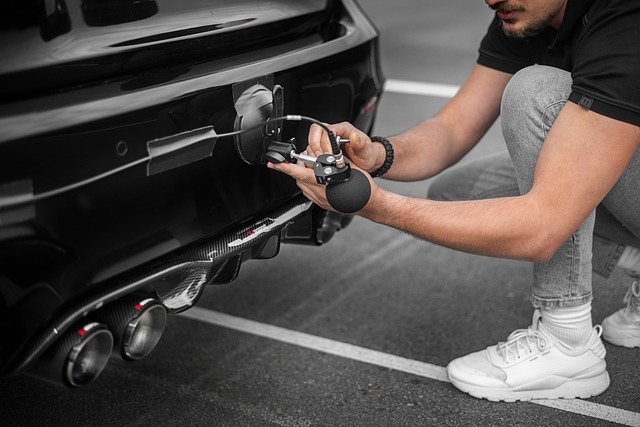
Registering a car in California involves completing and submitting an Application Form correctly. This step is crucial as it ensures your vehicle complies with state regulations. The form requires precise and detailed information about the vehicle, including its make, model, year, and unique Vehicle Identification Number (VIN). Accurate VIN entry is particularly important; California’s Department of Motor Vehicles (DMV) utilizes a VIN verifier to cross-reference the provided details against their databases. An incorrect or incomplete VIN can lead to delays or even rejection of your registration application.
For instance, consider a scenario where a driver submits an application with a faulty VIN. The DMV vin verifier will flag this discrepancy, causing a hold-up in processing. To prevent such issues, double-check the VIN against the vehicle’s documentation and ensure it’s entered accurately on the form. It’s also worth mentioning that California offers mobile VIN inspection services, allowing you to verify your VIN at various locations, including your home or workplace, through a mobile vin verifier. This service streamlines the process and saves time for both you and the DMV.
Another practical insight is to maintain comprehensive records of your vehicle’s history. Keep documents related to previous registrations, maintenance records, and any modifications made to the car. These records can facilitate a smoother registration process and help establish ownership and authenticity. Additionally, stay updated with California’s specific requirements for out-of-state vehicles or unique cases like classic cars or imported vehicles. Adhering to these guidelines ensures your application is processed efficiently without unexpected complications.
Pay Registration Fees and Receive Your Plate

After completing your vehicle’s inspection at a DMV or authorized location, you’ll need to pay the registration fees and receive your license plate. This crucial step finalizes the registration process and grants you legal status on California’s roads. Registration fees vary based on several factors, including your vehicle type, emissions standards, and whether you’re renewing in person or online.
You can typically pay your registration fees using a credit card, debit card, or cash at the DMV. For added convenience, many counties in California offer mobile vin verifier services, allowing you to register your vehicle from the comfort of your home or office. This process involves a professional inspector conducting a thorough vin inspection, ensuring your vehicle meets all necessary safety and environmental standards. Alternatively, some authorized service centers provide on-site registration and license plate issuance, streamlining the experience for busy individuals.
Once your payment is processed, you’ll receive your California license plate. These plates are designed to withstand harsh conditions and are clearly marked with your unique Vehicle Identification Number (VIN). It’s essential to display these plates prominently on your vehicle at all times to avoid legal repercussions. Remember, regular vin inspections are vital, even after registration. Some counties require annual or periodic mobile vin verifications to maintain your vehicle’s compliance, ensuring you stay within legal parameters and enjoy a safe driving experience.
By meticulously preparing required documents, following a structured approach at the California DMV, accurately verifying the Vehicle Identification Number (DMV VIN verifier), diligently completing application forms, and paying registration fees, you streamline the car registration process in California. These key steps ensure not only a smooth transaction but also confirm your vehicle’s legitimacy and safety, aligning with state regulations. Armed with this knowledge, you’re now equipped to navigate the registration process efficiently and confidently.