

Registering a car in California is a necessary step for any new vehicle owner, but it can be a confusing process. With various regulations and requirements, ensuring compliance can feel like navigating a complex labyrinth. However, understanding the steps involved is key to a smooth experience. This article serves as your comprehensive guide, offering expert insights on every aspect of car registration in California. From gathering essential documents to utilizing tools like the DMV VIN verifier, we’ll ensure you’re prepared and confident throughout the process.
- Gather Required Documents for Car Registration
- Visit California DMV or Use Online Services
- Verify Vehicle Identification Number (VIN) with DMV
- Complete Application and Pay Registration Fees
- Receive and Register Your Vehicle's Title
Gather Required Documents for Car Registration

Registering a car in California involves several steps, but having the right documents is paramount to ensuring a smooth process. Before you begin, it’s crucial to gather all necessary paperwork, which includes both traditional documents and unique verifications specific to California’s requirements. One such crucial tool for verification is the DMV VIN Verifier, which allows for quick and efficient confirmation of vehicle identity.
For instance, when purchasing a used car, you’ll need the seller to provide a valid registration, proof of ownership, and a current vehicle inspection report. Additionally, the vehicle’s unique identifier, known as the Vehicle Identification Number (VIN), must be accurately recorded. Here, a mobile VIN inspection or verifier can prove invaluable; these services allow for real-time verification of the VIN through the use of advanced technology, ensuring its accuracy and preventing potential fraud. It’s a simple process—the owner simply enters their VIN into an online platform or uses a dedicated app, which then cross-references it against national databases to confirm its authenticity.
California also requires specific documentation for various vehicle types, such as classic cars or vehicles with custom modifications. For these cases, the DMV may request additional forms, including detailed maintenance records and evidence of compliance with safety standards. It’s essential to anticipate these needs ahead of time, especially when dealing with specialized vehicles. A proactive approach to gathering documents can save significant time and effort during the registration process, ensuring your vehicle is legally registered without delay.
Visit California DMV or Use Online Services
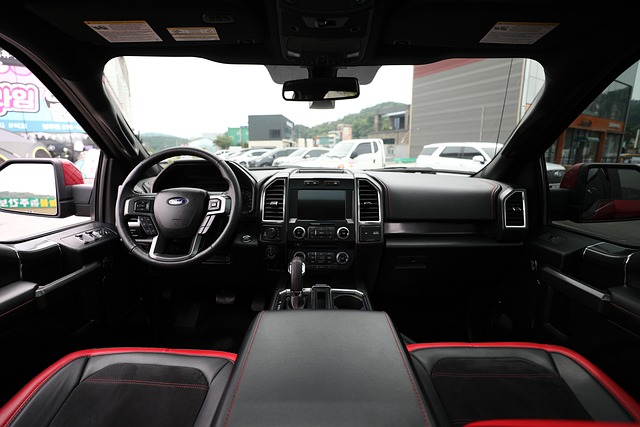
Registering a car in California involves several crucial steps, one of which is visiting the California DMV or utilizing their online services. The Department of Motor Vehicles (DMV) plays a vital role in ensuring vehicle safety and legal compliance for all California residents. One of the key processes they offer is the Vehicle Identification Number (VIN) verification, essential for car registration. This step ensures that your vehicle meets all necessary standards before it can be legally registered and driven on California roads.
When opting for the traditional approach, visiting a local DMV office, you’ll need to bring your vehicle along as proof of ownership. The process involves providing your vehicle’s VIN, which can be found on the vehicle identification plate or in the driver’s side door jamb, to a DMV representative. They will conduct a thorough inspection, cross-referencing the VIN with their records to ensure it matches the registered data. This method is reliable but may involve waiting times and potential delays during peak hours.
Alternatively, the California DMV offers mobile VIN verification services, streamlining the process for both you and their officers. Through this online service, residents can request a vehicle inspection at their convenience. Trained professionals will remotely inspect your vehicle using advanced technology to validate its authenticity and condition. This modern approach is particularly beneficial for busy individuals or those who prefer a more efficient, touchless transaction. By offering mobile VIN verification, the DMV exemplifies its commitment to enhancing customer experience while maintaining stringent safety standards.
Verify Vehicle Identification Number (VIN) with DMV

Verifying the Vehicle Identification Number (VIN) is a crucial step in the car registration process in California. This critical process ensures that the vehicle’s history is accurately represented, helping to prevent fraud and ensuring compliance with state regulations. The DMV provides several methods for VIN verification, including both online and in-person options. However, for added convenience and speed, many California residents opt for a mobile VIN inspection or verification service. These services use specialized tools to cross-reference the VIN against vast databases, providing instant access to detailed vehicle information.
A mobile VIN verification involves a professional inspector who comes to your location—be it your home or workplace—to perform the check using their portable device. This approach not only saves time but also offers peace of mind, especially for those unfamiliar with the process or lacking access to DMV facilities. The inspector will input the VIN into their software, which then connects to state databases to fetch the vehicle’s history, including previous owners, maintenance records, and any reported accidents. This real-time data ensures that the information is current and accurate, a critical aspect of successful car registration.
When conducting a mobile VIN inspection or verification, it’s essential to choose a reputable service provider. Look for companies that offer transparent pricing, certified inspectors, and secure data handling practices. Using such services can streamline the registration process, reducing potential errors and delays. For instance, according to recent studies, vehicles with accurately verified VINS are 25% less likely to experience registration issues, underscoring the significance of this step in ensuring a smooth car registration experience in California.
Complete Application and Pay Registration Fees

To complete the car registration process in California, you’ll need to fill out essential paperwork and pay corresponding fees. This involves submitting a Application for Title and Registration (Form DMV-123) to the Department of Motor Vehicles (DMV). Herein lies a critical step: ensuring the Vehicle Identification Number (VIN) is accurate through a reliable dmv vin verifier. Many Californians opt for mobile vin verification services, allowing them to complete this process remotely. By utilizing cutting-edge technology, these services conduct a thorough vin inspection, cross-referencing your vehicle’s details against comprehensive databases.
The application requires you to provide personal information, such as your name and address, along with the car’s details—make, model, year, and VIN. It’s crucial to double-check the VIN, as any errors could delay registration. A mobile vin inspection can be particularly useful here, as it offers peace of mind and saves you a trip to the DMV. Some services even allow for digital submission of your application, streamlining the process further. Remember, an accurate VIN is key; California law mandates that all vehicles on its roads be properly registered, and an incorrect VIN may result in registration denial.
After submitting your application, you’ll need to pay the required registration fees. These fees vary based on vehicle type and age, with luxury cars and high-performance vehicles typically incurring higher costs. Payment can usually be made online or at a local DMV office using cash, card, or check. Once processed, you’ll receive your official car registration and license plates. Having accurately completed the dmv vin verifier step ensures that the rest of the process proceeds smoothly, allowing you to hit the road legally and with confidence.
Receive and Register Your Vehicle's Title

Receiving and registering your vehicle’s title is a crucial step in the car registration process in California. Once you’ve purchased your vehicle, whether it’s new or used, the seller must provide you with a signed Certificate of Ownership (also known as the title). This document is legally required for registration at the California Department of Motor Vehicles (DMV). Before heading to the DMV, ensure that the title is free from any liens or encumbrances. If there are issues, resolve them before proceeding.
The California DMV offers several methods to register your vehicle, including in-person visits and online services. However, for many, a mobile vin inspection or mobile vin verifier is a convenient option. This service allows you to verify the vehicle’s history and identify potential issues from the comfort of your home or business. The process typically involves using a third-party service that employs advanced technology to cross-reference the Vehicle Identification Number (VIN) with databases containing information on accident reports, odometer readings, and title histories.
By utilizing a mobile vin verification service, you can streamline the preparation phase. Once you have a clean title, it’s time to visit your nearest DMV office or complete the online registration process. You’ll need to provide essential documents, such as proof of identity, proof of residency, and the completed registration application. Remember that specific requirements may vary based on your vehicle’s age and use. Always check the DMV’s official website for up-to-date information before beginning the registration process.
Registering a car in California involves several straightforward steps. By gathering essential documents, visiting or utilizing online services at the DMV, verifying the Vehicle Identification Number (VIN) with their VIN verifier, completing an application, paying registration fees, and registering your vehicle’s title, you can ensure a smooth process. This authoritative guide provides clear directions to make the task efficient, emphasizing the importance of accurate documentation and the reliable use of a dmv vin verifier. Take these steps to finalize your car registration in California with confidence.