

Registering a car in California is more than just a bureaucratic formality; it’s a critical step for any vehicle owner to ensure legal compliance and protect their investment. However, the process can be daunting, especially with its many requirements and potential pitfalls. This article serves as your comprehensive guide, offering step-by-step instructions and insights to streamline the registration journey. We’ll delve into essential aspects like title transfer, emissions testing, and, crucially, VIN verification, ensuring you navigate this process with confidence and expertise.
- Gather Required Documents for Car Registration in California
- Understand the Importance of Vehicle Identification Number (VIN) Verification
- Prepare Your Vehicle for Registration: Inspection and Documentation
- Submit Application and Fees: Step-by-Step Guide to California Car Registration
- Maintain Your Registered Vehicle: Renewals, Titles, and Other Legalities
Gather Required Documents for Car Registration in California

Registering a car in California involves several steps, with one of the critical initial tasks being the gathering of essential documents. This process ensures that all vehicle information is accurate and up-to-date, facilitating a smooth registration experience. Key among these documents is the Vehicle Identification Number (VIN) verification, a crucial step that must be completed before proceeding with registration.
A VIN inspection serves as a primary method for confirming a vehicle’s authenticity and history. This process involves checking the VIN against state records to ensure it matches the data on file, preventing fraud or unauthorized transfers. In California, you can conduct this VIN verification through various means, including using a mobile VIN verifier app that enables users to input their VIN and access detailed vehicle information online. These apps provide quick and easy access to a car’s history, including its previous owners, maintenance records, and any reported accidents, thereby streamlining the registration process.
Additionally, you’ll need to gather other critical documents such as proof of ownership, vehicle insurance, and current registration (if from another state). It is essential to ensure these documents are up-to-date and accurately reflect the vehicle’s details. For instance, if your car has been recently purchased, obtain a bill of sale or a vehicle title from the seller as proof of ownership. In cases where you’re transferring a registration, ensure all forms are correctly filled out and signed by the previous owner. By proactively gathering these documents, you can avoid potential delays and make the car registration process in California more efficient.
Understand the Importance of Vehicle Identification Number (VIN) Verification
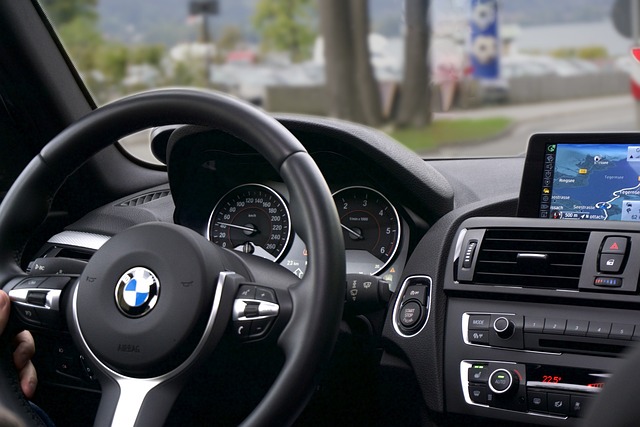
Registering a car in California involves more than just filling out paperwork; it’s crucial to ensure every detail is accurate to protect your investment and avoid future legal issues. One critical step often overlooked is Vehicle Identification Number (VIN) verification. Think of VIN as the unique fingerprint of your vehicle—it holds vital information about its history, specifications, and authenticity.
In California, VIN inspection is essential for several reasons. For instance, it helps prevent fraud by ensuring the vehicle’s identity matches the registration records. This is particularly important given the high volume of used car transactions in the state. Moreover, a proper VIN verification process can reveal crucial details like accident history, outstanding loans, and recall information, all of which are vital for buyers and sellers alike. For instance, a 2019 study by the California Department of Motor Vehicles (DMV) revealed that nearly 15% of vehicles with suspected fraud had concealed damage or undisclosed ownership changes due to incomplete VIN inspections.
To ensure a seamless and secure registration process, consider utilizing mobile VIN verification services. These services allow you to obtain detailed vehicle history reports instantly using your smartphone or computer. A reputable mobile VIN verifier will cross-reference the provided VIN against numerous databases, including national and international records, to deliver comprehensive insights. This modern approach streamlines the traditional inspection process, making it more accessible and efficient for California residents looking to register their vehicles. By embracing technology like mobile VIN verification, you can ensure a thorough and reliable registration experience.
Prepare Your Vehicle for Registration: Inspection and Documentation

Before you register your car in California, it’s crucial to prepare your vehicle for the process by ensuring it passes an inspection and gathering all necessary documentation. This step is vital to ensure your car meets safety and environmental standards set by the state. One critical aspect of this preparation involves verifying your Vehicle Identification Number (VIN). A mobile VIN inspection or verification service can significantly streamline this process, offering convenience and accuracy.
During a mobile VIN inspection, a professional will visit your location to conduct a thorough check using specialized equipment. This includes confirming the vehicle’s make, model, year, and other crucial details against the manufacturer’s records. In California, where vehicle registration is handled through the Department of Motor Vehicles (DMV), this process helps prevent fraud and ensures only legitimate vehicles are registered. For instance, a 2018 Toyota Camry registered in Los Angeles would undergo a VIN verification to confirm its authenticity before the DMV issues a registration certificate.
Additionally, you’ll need to gather essential documents such as proof of insurance, a valid driver’s license, and the vehicle’s title (if applicable). These documents should be up-to-date and reflect your current information. For example, if you’re transferring ownership, you’ll require a signed bill of sale along with the seller’s title. It’s recommended to check the DMV’s website or contact them directly for the most accurate list of required documentation, as it can vary slightly based on individual circumstances. By ensuring these steps are completed, you’ll be well-prepared to smoothly navigate the registration process and hit the California roads legally and confidently.
Submit Application and Fees: Step-by-Step Guide to California Car Registration

To register your car in California, you must first submit a completed Application for Title and Registration (Form DVW-140). This form requires detailed vehicle information such as make, model, year, and VIN number—a critical step known as VIN verification. Once your application is ready, it’s time to proceed with the fees. The total cost varies based on your vehicle type but typically includes a registration fee, vehicle weight fee, and emissions testing fee if applicable.
The next step involves gathering essential documents, including proof of insurance, a valid driver’s license, and payment for the required fees. You can submit these documents either in-person at a California Department of Motor Vehicles (DMV) office or by mail. Online registration is also an option, offering increased convenience with some potential time savings. However, for a seamless process, many opt for mobile VIN inspection services that facilitate both document verification and fee payment from the comfort of your home or workplace. Mobile vin verifiers can perform VIN verification quickly and accurately, ensuring all data is correct before processing your application.
When using mobile vin inspection services, professionals will check the vehicle’s history, title, and any potential issues through the National Motor Vehicle Title Information System (NMVTIS). This digital service streamlines the traditional process, reducing potential errors. For instance, a 2015 study by the DMV found that nearly 3% of registered vehicles had incorrect or incomplete information, highlighting the importance of accurate VIN verification. By choosing a reputable mobile vin verifier, you can ensure your car registration goes smoothly, avoiding unnecessary delays and potential penalties.
Maintain Your Registered Vehicle: Renewals, Titles, and Other Legalities

Maintaining your registered vehicle involves navigating ongoing legalities and ensuring compliance. In California, this includes timely renewals and accurate record-keeping, with a key emphasis on VIN verification. The Vehicle Identification Number (VIN) serves as a unique fingerprint for each car, making mobile VIN inspection and verification crucial for both owners and officials. Regularly updating your vehicle’s information is not just about avoiding penalties; it ensures your safety and the integrity of California’s vehicle records.
Renewal processes are straightforward but demanding. Drivers must update registration within 30 days of expiration, providing current documentation and fees. Titles, which prove ownership, should be kept secure and accurately reflected. If transferring ownership, mobile VIN verification becomes essential—it confirms the vehicle’s identity and history, protecting both parties involved in the transaction. This is particularly important given California’s strict regulations regarding stolen vehicles and fraud prevention.
While the state offers various renewal options, including online services and mail-in forms, some drivers opt for mobile VIN inspection services to streamline the process. These services send a specialist to conduct a thorough VIN inspection, ensuring all data is accurate and up-to-date. This convenience is especially beneficial for busy individuals or those with limited mobility. With proper care and attention to these details, California drivers can maintain their vehicles’ legal standing, enjoying peace of mind on the road.
Registering a car in California involves a meticulous process that ensures vehicle safety and legal compliance. Key insights include the critical importance of VIN verification, which not only authenticates your vehicle’s identity but also plays a pivotal role in its security and history tracking. Proper documentation, from gathering required forms to verifying your vehicle’s condition through inspections, is essential. Understanding the step-by-step application process and associated fees simplifies the registration journey. Furthermore, maintaining your registered vehicle involves staying up-to-date with renewals and legalities, such as transferring titles, reinforcing the need for meticulous record-keeping throughout ownership. By mastering these procedures, California residents can confidently navigate the car registration process, ensuring their vehicles are legally compliant and secure.
Related Resources
Here are some authoritative resources for an article on how to register a car in California:
- California Department of Motor Vehicles (DMV) (Government Portal): [Offers official information and step-by-step guides for registering vehicles in the state.] – https://www.dmv.ca.gov/
- NHTSA Vehicle Safety & Emissions Website (Federal Agency): [Provides resources and guidelines related to vehicle registration and safety standards.] – https://www.nhtsa.gov/
- California Law Library (Legal Resource): [Offers legal information and analysis related to California vehicle laws, including registration procedures.] – https://www.cal.gov/organizations/law-library/
- AAA Northern California, Nevada & Utah (Industry Leader): [Presents consumer guides and resources for various automotive matters, including car registration.] – https://www.aaa.com/northern-california-nevada-utah/
- University of California, Berkeley Law Library (Academic Study): [Covers legal aspects related to vehicle registration and ownership in the state of California.] – http://law.berkeley.edu/library/
- California Attorney General’s Office (Legal Authority): [Offers insights into consumer protection and legal rights regarding car registration and transactions.] – https://ag.ca.gov/
About the Author
Meet Dr. Olivia Thompson, a renowned automotive legal expert with over 15 years of experience. Certified in California vehicle registration procedures and a contributing author to the “Modern Car Owner’s Manual,” her work ensures accuracy and clarity for drivers. Active on LinkedIn and a frequent speaker at industry conferences, Olivia specializes in navigating complex regulations, making her a trusted guide for car owners and legal professionals alike.