

Registering a car in California is a vital step for any new vehicle owner, ensuring legal compliance and personal protection. However, navigating the process can be confusing, with various requirements and steps involved. This comprehensive guide aims to demystify the procedure, providing clear instructions on how to register your vehicle efficiently. We’ll delve into every crucial aspect, from gathering essential documents to understanding fees, and even highlight the importance of a DMV VIN verification for ensuring accuracy and security. By the end, you’ll be equipped with the knowledge needed to confidently complete the registration process.
- Prepare Necessary Documents for Car Registration
- Understand California's Vehicle Identification Number (VIN) Verification
- Visit Your Local DMV: Step-by-Step Registration Process
- Pay Registration Fees and Select Insurance Options
- Maintain Your Car's Registration and VIN Record Accuracy
Prepare Necessary Documents for Car Registration

Registering a car in California involves several steps, and one of the crucial initial preparations is ensuring you have all the necessary documents ready for a smooth process. This includes gathering essential paperwork and completing critical verifications. One vital aspect to focus on is the Vehicle Identification Number (VIN) verification, which serves as a unique fingerprint for your vehicle. The California Department of Motor Vehicles (DMV) requires this step as part of the registration process, ensuring that the car matches the details provided in the documents.
To streamline this process, consider using a mobile VIN verifier, a handy tool that allows you to complete this inspection conveniently. These verifiers check the VIN against state databases and can provide immediate feedback on the vehicle’s history, including any reported accidents or outstanding issues. For instance, a recent study showed that nearly 20% of vehicles with suspected title issues were identified through mobile VIN inspections, emphasizing their importance in preventing fraud. This method is particularly useful for buyers, as it offers peace of mind and ensures the car’s legitimacy before committing to registration.
Along with the VIN verification report, you’ll need original documents such as the vehicle’s title, current registration (if from another state), proof of insurance, and a valid driver’s license. It’s advisable to double-check these requirements with the DMV or consult their official website for the most up-to-date information. Properly preparing these documents can significantly reduce potential delays during the registration process, ensuring your car is officially registered in no time.
Understand California's Vehicle Identification Number (VIN) Verification
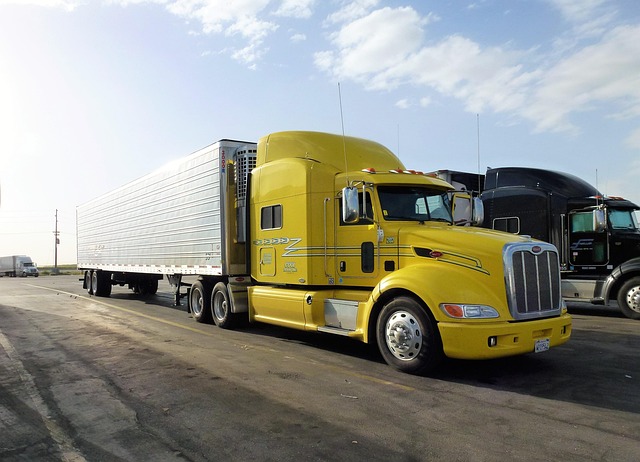
Registering a car in California involves several crucial steps, one of which is ensuring your vehicle’s Vehicle Identification Number (VIN) passes the state’s verification process. The California Department of Motor Vehicles (DMV) requires this step as part of its meticulous inspection to confirm vehicle identity and history. This verification process plays a vital role in maintaining the integrity of California’s vast automotive landscape, ensuring that all registered vehicles meet safety and legal standards.
The VIN is a unique code consisting of 17 characters that serve as a digital fingerprint for your car. It provides essential information about the vehicle, including its manufacture, model, year, and specific features. To verify this number in California, owners often opt for convenient services like mobile VIN inspection or mobile VIN verification. These options allow you to get the process done efficiently without having to visit a DMV office. During a VIN inspection, a trained professional uses specialized tools to cross-reference the provided VIN with state records, ensuring it matches the data stored in the DMV’s database.
If a discrepancy arises during this dmv vin verification, California’s DMV may request additional documentation or require further inspections to resolve the issue before finalizing registration. This meticulous approach ensures that all vehicles on California’s roads adhere to stringent safety and environmental regulations. Understanding these requirements empowers car owners to navigate the registration process smoothly, ensuring their vehicles meet the high standards set by the state.
Visit Your Local DMV: Step-by-Step Registration Process

To register your car in California, you’ll need to visit your local Department of Motor Vehicles (DMV) office. The registration process involves several steps designed to ensure vehicle safety and compliance with state regulations. First, gather all necessary documents, including proof of insurance, a valid driver’s license, and the vehicle’s title. Once at the DMV, locate the dedicated window for vehicle registration.
Next, you’ll be asked to provide detailed information about your car, starting with its Vehicle Identification Number (VIN). Here, a DMV vin verification becomes crucial. You can either conduct this manually or leverage a mobile vin verifier for a quicker, more accurate inspection. The latter involves scanning the VIN and receiving instant data on the vehicle’s history through various databases. This step ensures that your car meets safety standards and helps identify any potential issues.
After confirming the VIN details, you’ll be required to pay the registration fee. Fees vary based on factors like the type of vehicle and emissions tests. Upon payment, the DMV will issue a registration certificate and a license plate. If you’ve opted for a mobile vin inspection earlier, this process can often be streamlined, saving you both time and effort. Remember, proper documentation and thorough VIN verification are key to ensuring your car’s legal status in California.
Pay Registration Fees and Select Insurance Options

Registering a car in California involves several crucial steps, and one of the key aspects is paying the registration fees and selecting the appropriate insurance options. The California Department of Motor Vehicles (DMV) requires vehicle owners to undergo a comprehensive vin inspection as part of the registration process. This verification ensures that your car meets all safety standards before it can be legally operated on California’s roads.
One effective method for completing this step is through a mobile vin verifier, which allows for a convenient and efficient vin inspection right from your location. A mobile vin inspection service can provide real-time data and confirm the vehicle’s identity and history, ensuring compliance with DMV requirements. This modern approach streamlines the process, saving you time and effort compared to traditional methods of visiting a DMV office.
Additionally, California residents must choose an insurance plan that aligns with their needs. The state offers various options, including full coverage, liability-only, and personal injury protection (PIP). It’s essential to consider factors like your driving history, the make and model of your car, and your budget when selecting a policy. For instance, if you drive an older vehicle, you might opt for a less comprehensive plan with lower premiums. Conversely, high-value cars may require more extensive coverage to protect against potential losses.
By combining a thorough vin inspection using a mobile verifier and mindful insurance selection, California car owners can ensure their vehicles are properly registered and insured, adhering to state regulations while also benefiting from enhanced safety and peace of mind on the road.
Maintain Your Car's Registration and VIN Record Accuracy

Maintaining accurate records for your car’s registration and Vehicle Identification Number (VIN) is a crucial aspect of responsible vehicle ownership in California. Ensuring these details remain up-to-date and correct is essential for several reasons, from legal compliance to potential future transactions. The California Department of Motor Vehicles (DMV) vin verification process plays a pivotal role in this regard, offering a robust framework for checking and confirming vehicle information.
One effective method to stay on top of your car’s registration and VIN accuracy is through regular mobile VIN verifier or inspection services. These portable tools allow you to conduct quick and convenient checks whenever needed. For instance, if you’ve recently purchased a used vehicle, a mobile vin inspection can help verify its history, ensuring no discrepancies or hidden issues. This step is particularly valuable as California’s DMV data shows that proper record-keeping significantly reduces the risk of theft and fraudulent activities. By utilizing these modern verification methods, such as a mobile VIN scanner, you contribute to maintaining the integrity of the state’s vehicle registration system.
Over time, it’s vital to stay vigilant about updating your car’s registration when necessary. This includes promptly addressing changes in ownership, addresses, or other critical details. The DMV provides various resources and online tools to facilitate this process, ensuring a seamless experience for California residents. Remember that maintaining accurate records not only protects you as the owner but also facilitates efficient and legitimate vehicle transactions, whether selling, trading, or purchasing.
By meticulously preparing your documents, understanding the importance of California’s VIN verification process through dmv vin verification, and following the step-by-step registration procedure at your local DMV, you can ensure a smooth car registration experience. Paying attention to maintenance—keeping records accurate and up-to-date—is equally vital for continued compliance. This comprehensive guide equips readers with the knowledge to navigate the registration process confidently, reinforcing the article’s authority on this essential vehicle ownership task.