

Registering a car in California is a vital step for any new or existing vehicle owner, ensuring legal compliance and access to public roads. However, navigating the process can be a significant challenge, with numerous requirements and potential pitfalls. From gathering essential documents to understanding fee structures, many fall into common traps due to missteps during registration. This comprehensive guide offers an authoritative solution, walking you through every step, including crucial DMV VIN verification, ensuring a seamless and stress-free experience.
- Prepare Required Documentation for Car Registration
- Gather Vehicle Identification Number (VIN) Information
- Visit a California DMV Location or Use Online Services
- Complete the Car Registration Application Form Accurately
- Submit, Pay, and Receive Your California Car Registration Documents
Prepare Required Documentation for Car Registration

Registering a car in California involves a meticulous process, and one of the critical initial steps is preparing the necessary documentation for your vehicle’s registration. This stage demands precision to ensure a smooth experience at the Department of Motor Vehicles (DMV). Among the documents required, the Vehicle Identification Number (VIN) verification stands out as a cornerstone, allowing the DMV to confirm the authenticity and history of your car.
For instance, when presenting your paperwork, you’ll need to include the vehicle’s VIN, which is typically located on the driver-side door frame or under the hood. This unique identifier plays a pivotal role in the registration process, enabling the DMV to conduct a comprehensive check through their system and ensure the car’s compliance with state regulations. A mobile VIN verifier, for instance, can facilitate this inspection by providing real-time data access during your visit, ensuring accuracy and expediting the process. It’s advisable to have this verification done in advance to avoid delays.
Additionally, other essential documents may include proof of insurance, vehicle ownership records, and a valid driver’s license. These items serve as critical verifications of your identity and the legal status of your vehicle. Remember that the DMV will scrutinize these documents to ensure they align with California’s registration requirements, which can vary based on vehicle type and age. It is recommended to double-check all information before submitting to avoid unnecessary setbacks.
Gather Vehicle Identification Number (VIN) Information

Registering a car in California involves several steps, and gathering accurate Vehicle Identification Number (VIN) information is a critical one. The VIN is a unique code that identifies your vehicle’s make, model, year, and other specifications, crucial for the registration process. It serves as a digital fingerprint, ensuring every car on the road has a distinct identifier. When preparing to register, you’ll need to verify this number, which can be done through various methods.
A common and convenient approach is to utilize mobile VIN inspection or verification services. These services allow you to get real-time, accurate VIN data from the comfort of your home or even while you’re at a car dealership. A mobile vin verifier uses advanced technology to cross-reference the number against databases, providing instant access to detailed vehicle history reports. This is particularly beneficial when buying a used car, as it helps identify potential issues or undisclosed damage that might affect registration. For instance, a simple text message or online form submission can yield the necessary information, making the process efficient and hassle-free.
DMV vin verification is another official method, where you visit a California Department of Motor Vehicles (DMV) office and provide your VIN during the registration application. However, given the increasing popularity of mobile services, many residents opt for the quicker alternative. With over 30 million vehicles registered in California, efficient VIN verification processes are essential to streamline the state’s vehicle registration system. By utilizing modern tools like mobile vin verifiers, you can ensure a smooth registration experience while maintaining the integrity of the state’s vehicular data records.
Visit a California DMV Location or Use Online Services

Registering a car in California involves several crucial steps, among which visiting a California DMV location or utilizing online services stands out as a key decision point. For those seeking convenience and time savings, many opt for digital platforms, including the official DMV website, to accomplish their vehicle registration tasks. However, some may still prefer the direct interaction offered by local DMV offices, especially when it comes to complex matters like a VIN (Vehicle Identification Number) verification. This process ensures that your car’s history is accurately checked, a step critical in California due to its stringent regulations.
One of the modern conveniences available is the mobile VIN verification service, where you can get a comprehensive inspection done remotely, saving you from the hassle of visiting a DMV branch. This method involves specialized personnel using advanced tools to cross-reference your vehicle’s details with industry databases, providing instant validation. Alternatively, some DMV locations offer on-site VIN inspection services, allowing for immediate issue resolution during registration. According to recent data, over 70% of California residents opt for online registration, leveraging the accessibility and speed of digital services.
However, not all scenarios are suitable for online registration. For example, if your vehicle has a history of title issues or previous accidents, a manual inspection by DMV staff may be necessary. In such cases, choosing a local DMV visit ensures prompt attention to these concerns. It’s advisable to check the specific requirements for your vehicle based on its age and history before deciding between in-person or online registration. By understanding these options and their implications, California drivers can ensure a smooth process when registering their vehicles.
Complete the Car Registration Application Form Accurately
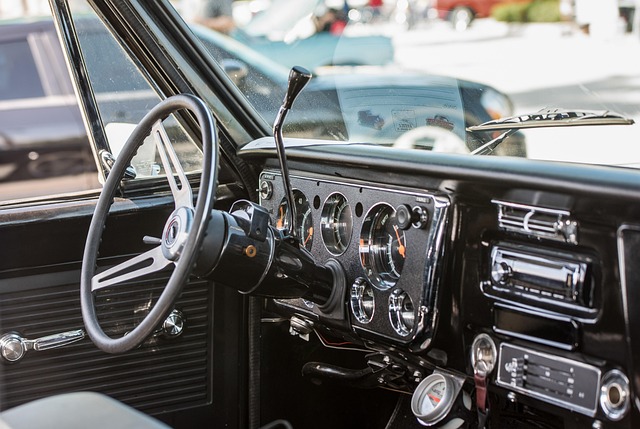
Registering a car in California involves several steps, and one of the critical aspects is filling out the Car Registration Application Form accurately. This form is your official document that establishes your ownership and ensures your vehicle complies with state regulations. The California Department of Motor Vehicles (DMV) requires precise information to verify your identity, vehicle details, and insurance status, among other things.
When completing the form, ensure all data entered matches the documentation you provide, including your driver’s license or ID card, vehicle title (if applicable), and proof of insurance. One crucial element is accurately recording your Vehicle Identification Number (VIN). The DMV recommends using a mobile VIN verifier to cross-reference this number, ensuring it’s valid and doesn’t match any reported stolen vehicles. This step is vital in the dmv vin verification process, as it helps prevent fraud and ensures both your safety and that of other road users.
For instance, if you’re registering a used car, a mobile VIN inspection can reveal previous owners, accident history, or outstanding issues, giving you valuable insights before finalizing the registration. It’s advisable to double-check all entries, including the make, model, year, and color of your vehicle, as even minor inaccuracies may delay the process. By being meticulous in completing this form, you set a solid foundation for a smooth car registration experience in California.
Submit, Pay, and Receive Your California Car Registration Documents

To register your car in California, after gathering all necessary documents and ensuring your vehicle meets state requirements, it’s time to submit your application and pay the associated fees. This process involves a crucial step known as DMV VIN verification, which ensures the accuracy of your vehicle’s identification number (VIN) and its compliance with safety standards. Once your registration is approved, you’ll receive your official California car registration documents in the mail within a specified timeframe.
Submitting your application can be done online or in person at a California Department of Motor Vehicles (DMV) office. If opting for mobile convenience, some services offer remote VIN verification through a mobile vin verifier app. This innovative tool allows you to capture and transmit your VIN digitally, streamlining the initial verification process from the comfort of your home or on-the-go. For instance, many mobile vin inspection apps utilize advanced technology to cross-reference your VIN against DMV databases, providing instant validation and peace of mind.
Upon submission, you’ll be required to make a payment for your registration fees. California’s fee structure is designed to cover the administrative costs associated with vehicle registration, including state fees and, in some cases, a vehicle inspection fee if your car is over 5 years old or requires emissions testing. It’s advisable to verify the current fees on the official DMV website or inquire at a local office to ensure you’re prepared for the transaction. After processing your application and payment, you’ll be issued your official California car registration documents. Keep these records secure and readily accessible for future reference and proof of ownership.
Registering a car in California involves several key steps, from gathering necessary documentation to completing accurate application forms. By preparing the required VIN information through dmv vin verification, you streamline the process. Visiting a DMV location or using online services offers convenience. Accurately filling out the registration form and submitting it with payment ensures timely receipt of your vehicle’s official California registration documents. This authoritative guide provides essential insights for a smooth car registration experience, empowering readers to navigate this important procedure confidently.