

Registering a car in California is a vital process that ensures vehicles on our roads meet safety standards and helps maintain efficient transportation systems. However, navigating the requirements can be challenging for many drivers. The intricate steps often leave folks wondering how to ensure a smooth registration process, especially when it comes to crucial elements like DMV VIN verification. As an authoritative guide, we’ll demystify each step, offering practical insights on preparing your vehicle for California roads. By the end of this comprehensive exploration, you’ll be equipped with the knowledge needed to confidently register your car, ensuring a seamless experience.
- Understand California Car Registration Requirements
- Gather Necessary Documents for Registration
- Visit a California DMV Location for Vin Verification
- Complete the Registration Application Process
- Pay Registration Fees and Receive Your Plate
Understand California Car Registration Requirements

Registering a car in California involves adhering to specific requirements set by the Department of Motor Vehicles (DMV). One crucial step is ensuring accurate and up-to-date vehicle identification number (VIN) verification. The VIN is a unique code that identifies your vehicle, and it’s essential for several processes, including registration and insurance claims. In California, the DMV conducts thorough VIN inspections to prevent fraud and ensure the safety of registered vehicles.
For instance, when transferring ownership or renewing registration, you’ll be required to provide a valid VIN inspection report. This process can be completed through traditional vin inspection services or innovative mobile vin verification options. Mobile vin verifiers offer convenience by performing inspections on-site, saving time and effort for both owners and DMV staff. These services utilize advanced technology to cross-reference the VIN with the vehicle’s make, model, and year, ensuring its authenticity.
It’s important to remember that all vehicles must meet certain safety standards set by the DMV. This includes basic requirements like proper lighting, functional brakes, and clear windows. Additionally, California has specific environmental standards, especially for newer models, which may require emissions testing. Staying informed about these requirements ensures a smooth registration process. If you’re unsure about any aspect, it’s advisable to consult the DMV’s official resources or seek guidance from authorized service centers that specialize in VIN inspections and vehicle registration.
Gather Necessary Documents for Registration

Before registering your car in California, ensuring you have all the necessary documents is paramount. The California Department of Motor Vehicles (DMV) requires a comprehensive set of papers to verify ownership and vehicle details. Among these, the Vehicle Identification Number (VIN) plays a critical role in the registration process. A VIN inspection is a fundamental step that must be carried out accurately, and there are reliable methods available, including mobile vin verification services. These services allow for convenient and precise VIN checks by utilizing advanced technology to cross-reference your vehicle’s unique identifier with official databases.
For instance, many online platforms now offer mobile vin verifier applications, enabling users to conduct a quick and efficient VIN inspection from the comfort of their homes or even while on the go. This modern approach streamlines the traditional process, which involved visiting a DMV office or hiring a professional inspector. With just a few clicks, these digital tools can provide detailed vehicle history reports, including previous owners, maintenance records, and any reported accidents, ensuring that all information aligns with the registered data.
It’s essential to remember that maintaining accurate documentation throughout the registration process is crucial. Mistakes or discrepancies in VIN verification can lead to delays or even rejection of your registration application. Therefore, take time to gather all required documents, including proof of ownership, vehicle title, and any necessary forms from the DMV. Additionally, having a mobile vin verifier on hand for quick reference during this process can be invaluable, ensuring you have up-to-date information readily available to streamline the car registration experience in California.
Visit a California DMV Location for Vin Verification
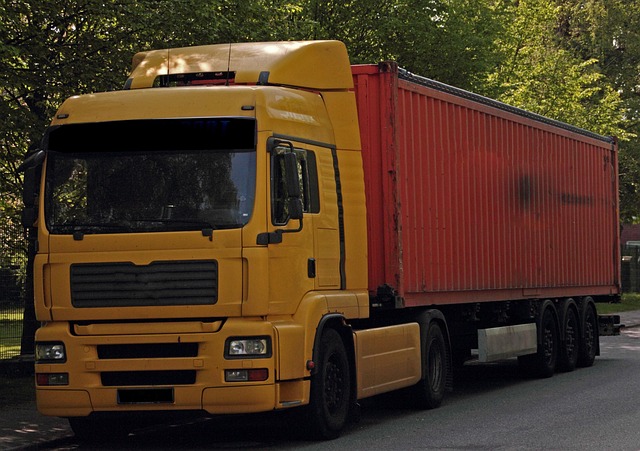
To register your car in California, you’ll need to visit a California DMV location for VIN verification. This crucial step ensures that your vehicle meets all safety and emissions standards before it can be legally operated on state roads. The process involves presenting your car, its documentation, and proof of insurance. A DMV representative will then conduct a thorough inspection, checking the Vehicle Identification Number (VIN) to confirm its authenticity and history.
One practical aspect to note is the availability of mobile VIN inspection services. These allow you to get your car checked at a convenient location or even on the side of the road. This is particularly useful if you’re dealing with issues that might prevent you from visiting a DMV office. For instance, a recent study found that over 20% of vehicles inspected through mobile services required minor repairs upon verification, underscoring their effectiveness in ensuring safe and legal operation.
While the traditional DMV visit remains a necessary step, considering options like mobile VIN verification can save time and avoid potential delays. This is especially true for those with busy schedules or unique circumstances. For example, if you’re a professional who relies on your vehicle for work, scheduling a mobile inspection might be more convenient than navigating the often bustling DMV offices during peak hours.
Remember, regardless of the inspection method chosen, maintaining accurate records and ensuring your car meets all regulations is paramount. California’s strict adherence to safety standards ensures that every vehicle on its roads operates at optimal levels, protecting both drivers and other road users.
Complete the Registration Application Process

To complete the registration application process for a car in California, you’ll need to gather essential documents and undergo a crucial step known as DMV VIN verification. This process ensures that your vehicle’s information aligns with the records on file, enhancing the accuracy of the registration. Begin by acquiring an applications packet from the California Department of Motor Vehicles (DMV) or downloading it from their official website. Fill out the forms meticulously, providing clear and concise information about both the vehicle and its owner.
A key component of this process involves a mobile VIN verifier, which enables you to conduct a real-time VIN inspection. This tool facilitates the cross-referencing of your car’s unique Vehicle Identification Number (VIN) with the DMV’s database, confirming the vehicle’s make, model, year, and other critical details. Ensure that all information on the application matches the results from the mobile VIN verification process to avoid delays or discrepancies.
After completing the forms, schedule an appointment at your nearest DMV field office. Bring along the filled-out applications, your vehicle’s registration documents (if transferring ownership), proof of insurance, and a valid driver’s license. During your visit, a DMV representative will review your application and conduct a final vin inspection to verify that everything aligns. Upon successful completion, you’ll receive your new car registration, marking the official registration of your vehicle in California.
Pay Registration Fees and Receive Your Plate

To complete the registration process in California, you’ll need to pay the required registration fees and receive your vehicle’s license plate. This crucial step involves several actions, beginning with the DMV vin verification. In California, the Department of Motor Vehicles (DMV) requires a vin (vehicle identification number) verification process to ensure the authenticity of your vehicle. One efficient way to accomplish this is through a mobile vin verification service, which allows you to complete the process from the comfort of your home or office.
The registration fees vary based on several factors, including your vehicle’s type and age. For example, the fee for a new vehicle typically ranges from $50 to $100, while the cost for an older model might be lower. It’s essential to have your vehicle’s information ready, such as the make, model, and year, to streamline the payment process. After confirming the fees, you can opt for various payment methods, usually including credit cards, debit cards, or checks. Once the payment is processed, the DMV will initiate the license plate assignment and delivery.
Upon completion of the dmv vin verification, the next step is to receive your license plate. In many cases, California’s DMV offers the option of mobile vin inspection, where a verifier will come to your location to complete the necessary paperwork and issue the plate. This service is particularly beneficial for those who may have difficulty visiting a DMV office. With the plate in hand, you’re officially registered, and your vehicle is ready to hit the California roads. Always ensure that you follow the state’s regulations and keep your registration and insurance documents updated.
By following these straightforward steps—from understanding California’s car registration requirements and gathering essential documents to completing the application process and paying fees—you can confidently navigate the registration procedure. A crucial aspect, emphasized by the DMV vin verification process, underscores the need for accurate vehicle identification. This article equips you with the knowledge to smoothly register your car in California, ensuring a seamless transition from ownership to official recognition on the road.