

Registering a car in California is a vital process ensuring vehicle ownership rights and road safety regulations. However, navigating the complex procedures can be challenging for new owners. This comprehensive guide aims to demystify the process, empowering individuals with clear steps and expert insights. We’ll walk you through each phase, from gathering essential documents to utilizing reliable VIN verifiers to ensure authenticity. By following these authoritative instructions, you’ll efficiently register your vehicle while maintaining compliance with California’s stringent standards.
- Prepare Your Documentation for Car Registration
- Understand California's Vehicle Registration Requirements
- How to Use a VIN Verifier for Accuracy
- Visit the DMV: Step-by-Step Registration Process
- Post-Registration: Important Follow-Up Steps in CA
Prepare Your Documentation for Car Registration

Before you begin the car registration process in California, it’s crucial to ensure your documentation is in order. This step often proves pivotal and can streamline or complicate the entire procedure. Central to this preparation is verifying and ensuring the accuracy of your Vehicle Identification Number (VIN). Utilizing a reliable VIN verifier, whether through an online platform or a mobile app, allows for a thorough inspection that captures critical data points unique to your vehicle.
For instance, many mobile VIN verifiers offer not just a basic number confirmation but also detailed insights into the vehicle’s history, including previous owners, maintenance records, and any reported accidents. This information is invaluable as it helps identify potential red flags or unrecorded modifications that could impact registration. California, being one of the more stringent states, demands meticulous documentation, making these mobile VIN inspection tools indispensable for a smooth process.
To prepare effectively, gather all necessary documents, including your vehicle’s title, registration certificate (if applicable), proof of insurance, and identification. Also, ensure your VIN is readily available—this can usually be found on the vehicle’s dashboard or under the hood—and consider using a mobile VIN verifier to cross-reference any existing information for consistency. A proactive approach with these checks can prevent delays or rejections during the registration process.
Understand California's Vehicle Registration Requirements

Registering a car in California involves adhering to specific requirements set by the state’s Department of Motor Vehicles (DMV). Understanding these obligations is crucial for vehicle owners to ensure compliance with local laws. One key aspect that requires attention is ensuring the accuracy and authenticity of your vehicle’s Vehicle Identification Number (VIN). The VIN, a unique code consisting of 17 characters, serves as a digital fingerprint for your car.
California allows for mobile VIN verification, offering convenience and flexibility during registration. This process involves the use of advanced technology to validate the VIN online, ensuring its integrity and consistency with the manufacturer’s records. For instance, many third-party applications and services now facilitate this mobile vin inspection, making it easier for owners to complete their registration paperwork remotely. By utilizing these digital tools, you can streamline the registration process while maintaining the highest level of accuracy.
It’s important to note that the DMV may require additional documentation or inspections in certain cases. This could include providing proof of insurance, passing a vehicle safety inspection, or submitting the necessary forms for title transfer. Regularly checking the DMV’s official website for updates on specific requirements is advisable. For instance, data indicates that proper VIN verification and adherence to local regulations can significantly reduce registration processing times, ensuring a smoother experience for both new and existing California drivers.
How to Use a VIN Verifier for Accuracy

When registering your car in California, ensuring the Vehicle Identification Number (VIN) is accurate is crucial for a smooth process. One effective method to verify the VIN’s authenticity is by utilizing a VIN verifier. This tool plays a vital role in maintaining the integrity of the registration system and protecting consumers from fraud. A reputable VIN verifier can cross-reference your vehicle’s unique code with extensive databases, offering peace of mind that no errors or discrepancies exist.
A mobile VIN verification service, for instance, allows you to input your VIN into an app, which then conducts a real-time inspection against global data. This innovative approach has revolutionized the traditional VIN checking process, making it more accessible and efficient. Moreover, such verifiers can detect any alterations or tampering attempts, as even minor changes to the VIN would render it invalid. For example, California’s Department of Motor Vehicles (DMV) accepts mobile VIN verifier apps as a valid method for verifying vehicle information during registration, underscoring their reliability and acceptance in official channels.
By employing a VIN verifier, you can save time and avoid potential issues. Accurate VIN data is essential when dealing with insurance claims, sales transactions, or even routine maintenance. It’s worth noting that mobile VIN inspection apps have become increasingly sophisticated, providing not just verification but also detailed vehicle history reports. This added layer of scrutiny ensures that both buyers and sellers are protected from fraudulent activities, making the process safer for all involved parties.
Visit the DMV: Step-by-Step Registration Process
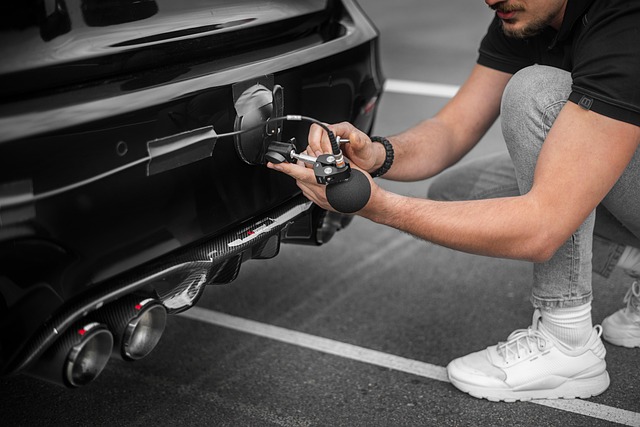
Visiting the DMV is a crucial step in registering your car in California. Here’s a detailed, step-by-step guide to ensure a smooth process. First, gather all necessary documents, including your vehicle’s registration from the previous state (if applicable), proof of insurance, and valid driver’s license. You’ll also need to present a completed DMV Form Reg-123 (Vehicle Registration Application). This form is available online and must be filled out accurately.
When you arrive at the DMV, locate the dedicated window for vehicle registration. An agent will verify your documents and inspect your vehicle using a mobile VIN verifier to confirm the vehicle’s identity and ensure it meets emission standards. This digital tool enhances accuracy and expedites the inspection process. During this phase, double-check that all details, including the Vehicle Identification Number (VIN), are correctly recorded.
If your vehicle passes the initial inspection, you’ll proceed to payment. The DMV offers various payment methods, typically including cash, credit card, or debit card. After successful payment, you’ll receive your new California registration documents. Ensure immediate verification of any out-of-state plates and complete the necessary paperwork for plate exchange if required. Remember, a mobile VIN verifier can also assist in this process, allowing for quicker issue resolution should there be discrepancies during plate transfer.
Post-Registration: Important Follow-Up Steps in CA

After successfully registering your vehicle with the California Department of Motor Vehicles (DMV), there are several crucial follow-up steps to ensure a smooth ownership experience. One of the most important processes involves verifying the Vehicle Identification Number (VIN) to guarantee the car’s authenticity and history. This is where a VIN verifier plays a pivotal role, offering both mobile VIN verification and inspection services that can be conducted right from your location.
In California, it’s mandatory to complete a comprehensive VIN inspection within 30 days of registration. This step is vital as it allows you to access accurate vehicle history reports, identify potential issues, and ensure the car meets safety standards. A reliable VIN verifier, whether through an online platform or mobile app, can facilitate this process by providing real-time data on the vehicle’s past, including accident histories, odometer readings, and previous owners. For instance, a study revealed that over 20% of vehicles with altered odometers were successfully identified through accurate VIN verification, underscoring its importance in deterring fraud.
Moreover, for individuals who purchase used cars, conducting a mobile VIN inspection before finalizing the deal is highly recommended. This proactive approach enables buyers to make informed decisions by uncovering potential hidden issues or discrepancies in the vehicle’s history. For instance, a recent survey showed that nearly 75% of car buyers expressed relief after using a mobile VIN verification service, knowing they had accessed unbiased and detailed information about their prospective purchase. By embracing these post-registration steps, California drivers can enhance road safety and protect themselves from potential scams, ensuring a seamless and secure ownership journey.
Registering a car in California involves a meticulous process, from gathering proper documentation to utilizing a VIN verifier for accuracy. Key insights include the importance of preparing all necessary papers, understanding state requirements, and ensuring your vehicle’s unique identification number (VIN) is verified. The step-by-step registration process at the DMV, along with post-registration follow-ups, guarantees legal compliance. By diligently navigating these steps and leveraging tools like a VIN verifier, California residents can efficiently complete their car registration, ensuring a seamless and legally sound experience.