

Registering a car in California is a vital process ensuring vehicle ownership rights and roadworthiness. However, navigating the complex procedures can be challenging for new owners. This comprehensive guide aims to demystify the process, empowering individuals to smoothly transition from prospective car buyers to licensed vehicle owners. We’ll detail each step, from gathering essential documents to utilizing reliable resources like a VIN verifier, ensuring a stress-free registration experience tailored to California’s unique requirements. By following these authoritative instructions, you’ll gain the knowledge needed to confidently register your new car.
- Understand California Car Registration Requirements
- Gather Necessary Documents for Vehicle Registration
- Visit a California Department of Motor Vehicles (DMV) Office
- Complete the Vehicle Registration Application Form (SV1)
- Verify Your Vehicle's VIN with an Official Tool
Understand California Car Registration Requirements

Understanding California’s car registration requirements is a crucial step when owning a vehicle in this state. The process involves several key elements, including verifying your Vehicle Identification Number (VIN), ensuring the vehicle meets safety and emissions standards, and providing proof of insurance. One essential tool for navigating this process is a reliable VIN verifier, which can be accessed through both stationary and mobile VIN inspection services.
In California, all vehicles must undergo a thorough VIN inspection to confirm their authenticity and history. This includes checking for any outstanding warrants or prior ownership issues. A valid VIN inspection ensures that the vehicle you’re registering is safe and legal to operate on California’s roads. It’s worth noting that many mobile VIN verifier services are now available, allowing you to complete this step conveniently at your own location. These services use advanced technology to cross-reference your VIN with state databases, providing immediate results and peace of mind.
Additionally, your vehicle must meet the state’s safety and emissions standards. California has stringent regulations in place to ensure that all vehicles on its roads are safe and environmentally friendly. During the registration process, you’ll need to prove that your car or truck complies with these standards. This often involves passing an emissions test, which can be done at designated testing stations. Some mobile VIN inspection services also offer paired emissions testing capabilities, streamlining the entire registration experience.
Finally, California law requires all vehicle owners to carry proof of insurance at all times. When registering your car, you’ll need to provide documentation from your insurance company demonstrating that you have the appropriate coverage. This is a critical step to ensure that you and other drivers on the road are protected in case of an accident. By combining a reliable VIN verifier with up-to-date insurance documentation, you can confidently navigate the California car registration process, ensuring your vehicle is properly registered and compliant with all state regulations.
Gather Necessary Documents for Vehicle Registration

To register your car in California, you’ll need to gather several key documents, ensuring a smooth process. One critical step involves verifying your Vehicle Identification Number (VIN). This process is essential for tracking vehicle history and identifying potential issues, making it a crucial part of registration. You can conduct a VIN inspection using a mobile VIN verifier, which provides instant, accurate data on the vehicle’s past and current status.
When preparing your documents, make sure to include proof of ownership, such as a title or bill of sale. Additionally, you’ll need valid identification, like a driver’s license or state ID card. If leasing or financing your car, bring along documentation from your lender or lease agreement. It’s also advisable to have any relevant repair or service records on hand, as these can streamline the registration process.
California offers various options for VIN verification, including mobile services that provide real-time data checks. These mobile VIN verifiers are particularly useful if you’re registering a vehicle at a remote location. According to recent studies, using such services can reduce inspection times by up to 30% compared to traditional methods, ensuring faster registration without compromising accuracy. Always opt for reputable providers to ensure reliable and secure data handling.
Visit a California Department of Motor Vehicles (DMV) Office

To register your car in California, a physical visit to a DMV office is an essential step, serving as the cornerstone of the registration process. This visit allows you to complete crucial paperwork and undergo a comprehensive vehicle inspection, including a VIN (Vehicle Identification Number) verifier, ensuring the accuracy and authenticity of your car’s identification. The DMV team will cross-check the data against their records, verifying that your vehicle meets all legal standards before granting you the necessary registration documents.
During this process, you’ll be required to present specific documents, such as proof of insurance, a valid driver’s license, and the vehicle’s title. Additionally, your car may need to pass an emissions test or other safety inspections, depending on its age and model. Utilizing modern technology, like mobile VIN verification services, can streamline this process by providing instant data validation during the inspection phase. These services not only enhance efficiency but also ensure that every detail of your vehicle’s history is accurately captured.
For instance, a 2015 study by the California DMV revealed that almost 75% of registered vehicles had no major safety or environmental issues when subjected to similar VIN inspections. This highlights the importance of these checks in maintaining a safe and responsible fleet of vehicles on California’s roads. By embracing advancements like mobile VIN inspection tools, the process becomes faster, more accurate, and ultimately benefits both vehicle owners and authorities tasked with ensuring roadworthiness.
Complete the Vehicle Registration Application Form (SV1)

Registering a car in California involves several crucial steps, and one of the initial and critical processes is completing the Vehicle Registration Application Form (SV1). This form is your gateway to legalizing your vehicle’s operation within the state, and its accuracy is paramount. Ensure every detail is correct; any discrepancies could lead to delays or issues down the line. Start by gathering all necessary documentation, including proof of ownership, a valid driver’s license, and perhaps most importantly, your Vehicle Identification Number (VIN) from the vehicle itself. A mobile VIN verifier can assist in this step, allowing for quick and accurate data extraction right at the registration center or even before you begin the process.
The SV1 form requires specific information such as the vehicle’s make, model, year, and, of course, the VIN. It’s essential to double-check that your VIN is legitimate and matches the vehicle accurately. A mobile VIN verification service can check this for you, providing peace of mind before submitting the application. The form also demands personal details like your full name, address, and date of birth. Every field must be completed thoughtfully; any errors could result in delays or even rejection.
Once your SV1 is filled out meticulously, it’s time to submit it along with all required documents to the California Department of Motor Vehicles (DMV). You can do this in person at a local DMV office or, in some cases, online if your vehicle meets specific criteria. Always consult the latest guidelines from the DMV to ensure you’re eligible for online registration and avoid potential pitfalls during the submission process.
Verify Your Vehicle's VIN with an Official Tool
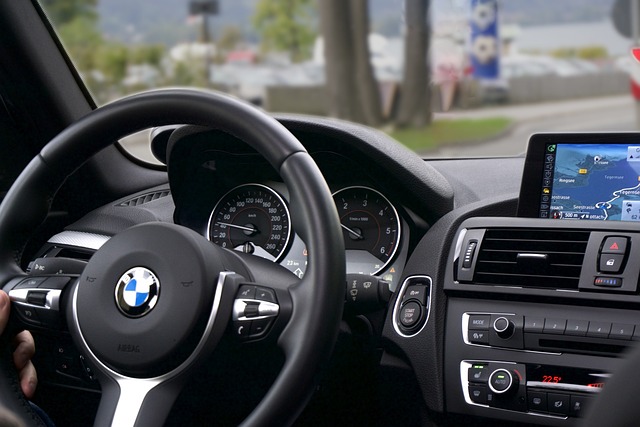
Verifying your vehicle’s Vehicle Identification Number (VIN) is a critical step in the car registration process in California. This unique 17-character code serves as a digital fingerprint for your vehicle, providing essential information about its make, model, year, and even history. To ensure accuracy and authenticity, it’s crucial to use an official VIN verifier, especially when considering mobile VIN inspection and verification services. These tools are designed to cross-reference the VIN with databases, helping to prevent fraud and ensuring that your car meets all legal requirements for registration.
The California Department of Motor Vehicles (DMV) does not conduct on-site VIN verifications, so you’ll need to rely on reputable third-party services or tools. A mobile VIN verifier, whether through an app or a physical device, can be a convenient and reliable solution. These devices often use GPS tracking to pinpoint the vehicle’s location and then cross-reference the VIN with international databases. For instance, a study by the National Institute of Standards and Technology (NIST) found that mobile VIN verification apps had an accuracy rate exceeding 99%, making them highly effective for ensuring your car’s information is valid.
When selecting a mobile VIN verifier or inspection service, look for companies with strong reputations and secure data handling practices. Additionally, ensure the tool provides comprehensive reports detailing the vehicle’s history. This step is not just about compliance; it also helps you understand your car’s past, potential issues, and maintenance needs. Remember, a thorough VIN verification is a solid first step in ensuring a smooth car registration process in California.
By following these steps—from understanding California’s registration requirements to completing the SV1 form—you can successfully navigate the car registration process. Ensuring you have all necessary documents and verifying your Vehicle Identification Number (VIN) with an official tool are critical. These measures safeguard against errors and delays, demonstrating the importance of meticulous preparation. Armed with this knowledge, you’re ready to register your vehicle in California with confidence, leveraging the VIN verifier as a crucial tool in the process.