

Registering a car in California is a vital process, ensuring vehicle ownership rights and legal compliance. However, navigating the procedures can be daunting for new owners. This comprehensive guide aims to demystify the process, offering step-by-step instructions tailored to California’s unique requirements. From gathering essential documents to utilizing the DMV VIN verifier, we’ll walk you through each crucial stage. By the end, you’ll possess the knowledge to register your vehicle smoothly and confidently, eliminating any frustrations commonly associated with this task.
- Prepare Required Documents for Car Registration
- Visit California DMV: Step-by-Step Guide
- Verify Vehicle Identification Number (VIN) with DMV
- Complete the Registration Application Process
- Pay Car Registration Fees and Receive Your Plate
Prepare Required Documents for Car Registration

Before you can register your car in California, it’s crucial to gather all necessary documents. This process involves several key steps, with a strong emphasis on accurate vehicle identification. One effective tool for this is the DMV VIN verifier, which ensures the vehicle’s details match those on record. Start by obtaining your Vehicle Identification Number (VIN), a unique 17-character code that identifies your car. You can find it on the vehicle’s registration or insurance card, or through a simple online search if you have the make and model. Once you have this, utilize a mobile VIN inspection tool to verify its authenticity and check for any reported issues.
Additionally, prepare other essential documents like proof of ownership, typically from a title document, and valid identification such as a driver’s license. If you’re registering a vehicle purchased privately, you might need a bill of sale or a similar document detailing the transaction. It’s also recommended to have maintenance records and any relevant repair invoices handy, as these can streamline the registration process.
For those who prefer convenience, mobile VIN verifiers offer a swift solution. These services allow you to input your VIN through a smartphone app or website, providing instant vehicle history information. This includes details on accident reports, title issues, and potential odometer rollbacks. By combining these tools with proper documentation, you’re well-prepared to navigate the car registration process in California smoothly and efficiently.
Visit California DMV: Step-by-Step Guide

To register your car in California, you’ll need to visit a local Department of Motor Vehicles (DMV) office. This process involves several steps, including providing necessary documents, passing inspections, and ensuring your vehicle complies with state regulations. Here’s a step-by-step guide tailored for California residents:
Start by gathering all required documentation. You’ll need proof of identity, such as a valid driver’s license or state ID card, proof of residency (like a utility bill or lease agreement), and the Certificate of Title from the previous owner if applicable. Additionally, have your vehicle’s Vehicle Identification Number (VIN) ready; you may be asked to demonstrate its accuracy through a mobile VIN verification or inspection. Many California DMV offices now accept mobile VIN verifications, making it easier for visitors to prove their vehicle’s authenticity and history before proceeding with registration.
Upon arrival at the DMV, locate the designated window for vehicle registration. An agent will guide you through the process, which typically involves filling out an application form. Be prepared to discuss your vehicle’s details, including its make, model, year, and any modifications. The agent may perform a quick inspection of your car, focusing on safety-related components like lights, brakes, and tires. If everything checks out, they’ll move on to processing your mobile VIN verification or inspection results, ensuring the vehicle’s history is clear and matches the information you’ve provided.
Once your document verification and vehicle inspections are complete, and assuming there are no issues, you can proceed with paying the registration fees. These fees vary based on factors like your vehicle’s age and emission standards. After processing your payment, you’ll receive your new registration documents and license plate assignments. Ensure you follow up on installing the new license plates as soon as possible to comply fully with California’s registration requirements. Remember that mobile VIN verification and inspection can streamline this process, saving time and potentially preventing unnecessary delays at the DMV.
Verify Vehicle Identification Number (VIN) with DMV
Verifying your vehicle’s Vehicle Identification Number (VIN) is a crucial step in the car registration process in California. This critical task ensures that you’re providing accurate data to the Department of Motor Vehicles (DMV), which is essential for legal and safety reasons. The DMV offers several methods to confirm the VIN, including mobile VIN inspection services. These services allow you to get the verification done promptly from the comfort of your location, whether it’s at home or a local business.
For instance, many auto repair shops and dealerships now provide mobile VIN verification services. All you need to do is schedule an appointment with one of their specialists who will visit you and use specialized equipment to cross-reference the VIN against the DMV’s database. This modern approach streamlines the process, eliminating the need for lengthy waits at a DMV office. It’s particularly convenient for those with busy schedules or physical limitations that might make visiting a government agency challenging.
According to recent data, over 80% of California drivers prefer mobile VIN inspection services due to their efficiency and convenience. When using these services, ensure you work with reputable providers who have established partnerships with the DMV. This guarantees that your information is accurately transmitted and reduces the risk of errors or fraud. By opting for a mobile vin verification service, you can save valuable time and energy while ensuring your car’s registration proceeds smoothly.
Complete the Registration Application Process

To complete the registration application process for a car in California, you’ll need to gather essential documents and information. The first step involves obtaining a Vehicle Identification Number (VIN) inspection or using a mobile VIN verifier to ensure your vehicle’s authenticity and history. This is crucial as the California Department of Motor Vehicles (DMV) requires a current and accurate VIN to process registration. You can conduct this inspection at an authorized service center or, for added convenience, utilize a mobile VIN inspection app that provides real-time data.
Once you have your VIN, log in to the DMV’s online system or visit a local field office to initiate the registration process. You’ll be prompted to input your vehicle’s details, including the VIN, make, model, and year. It’s vital to ensure all information is accurate and matches the vehicle’s documentation to avoid any delays or issues. After submitting these details, you’ll typically need to provide proof of insurance, pay the registration fees, and pass any required emissions tests.
For out-of-state residents registering a vehicle in California, an additional step may be necessary. You might need to establish California residency by providing identification, proof of address, and potentially completing a residency affidavit. This ensures that only those with legitimate ties to the state can register their vehicles, protecting California’s interests and ensuring fair practices. Always stay informed about any updates or changes to the registration process by checking the official DMV website or consulting with a licensed vehicle dealer.
Pay Car Registration Fees and Receive Your Plate
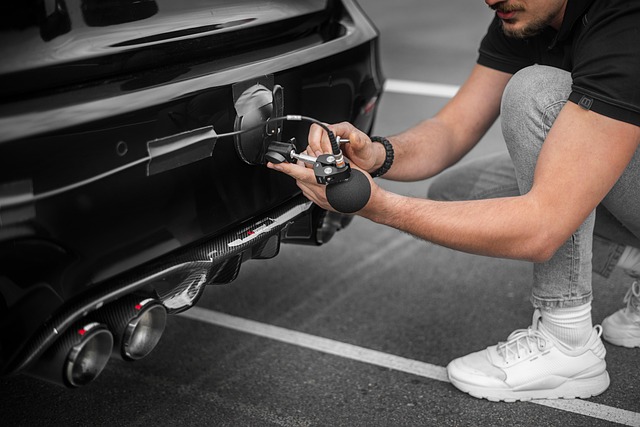
After completing your car’s inspection and gathering all necessary documents, the next step in registering your vehicle in California is paying the registration fees and receiving your license plate. The California Department of Motor Vehicles (DMV) offers several convenient options for payment, including online, by phone, or in-person at a DMV field office. Online registration is typically the quickest and most straightforward method, requiring you to visit the official DMV website, create an account, and follow the prompts to submit your application and make the required payments.
One crucial aspect of the registration process involves verifying the vehicle’s Vehicle Identification Number (VIN). The DMV utilizes a VIN verifier to ensure the accuracy of the information associated with your car. You may conduct this verification online or through a mobile VIN inspection service, which allows you to check your VIN against state records in real time. This step is essential for preventing fraud and ensuring that your vehicle’s history aligns with the details provided during registration.
Once your application has been approved and all fees are paid, including any additional charges for late registration or specific emissions tests, you will receive your California license plate. The DMV will mail or deliver your plates to the address listed on your registration form. In some cases, you may opt for faster delivery by paying an additional fee for expedited processing. Ensure that you display these plates properly on your vehicle at all times to avoid fines and legal issues.
By meticulously preparing required documents, following a structured visit to the California DMV, verifying the Vehicle Identification Number (VIN) with their dmv vin verifier, completing the registration application, and paying relevant fees, you can successfully register your car in California. This process ensures your vehicle complies with state regulations, allowing you to legally operate it on public roads. Moving forward, keep these key insights in mind: organize your documents proactively, familiarize yourself with each step beforehand, verify the VIN accurately using trusted tools, and stay informed about fee updates. With these measures, you’ll ensure a seamless registration experience, securing your vehicle’s legal status efficiently.