

Registering a car in California is a vital process that ensures vehicle owners comply with state laws and gain legal access to public roads. However, navigating the bureaucratic landscape can be challenging, especially with intricate procedures and extensive documentation. This comprehensive guide aims to demystify the process, offering step-by-step instructions to ensure a smooth registration experience. From gathering essential documents to utilizing reliable VIN verifiers, we equip you with the knowledge to confidently navigate California’s car registration requirements, ensuring your vehicle is legally registered and roadworthy.
- Understand California Car Registration Requirements
- Gather Necessary Documents for Vehicle Registration
- Choose an Appropriate California Vehicle Registration Class
- Use a VIN Verifier to Ensure Vehicle Authenticity
- Complete and Submit Your Car Registration Application
Understand California Car Registration Requirements

Registering a car in California involves understanding specific requirements to ensure legal compliance and smooth transactions. The primary step is obtaining a Vehicle Identification Number (VIN) verifier, which can be done through a trusted service provider offering mobile VIN verification. This process allows for convenient and accurate validation of your vehicle’s history, crucial for identifying potential issues or hidden costs associated with the car.
California requires all vehicles to display a current registration plate, and registering involves submitting specific forms along with necessary documents. Key documentation includes proof of insurance, a completed registration application, and the required fees. It is essential to ensure that all information provided is accurate and up-to-date, as any discrepancies may lead to delays or issues with the California Department of Motor Vehicles (DMV). A mobile VIN verifier can play a pivotal role here by cross-checking the vehicle’s details against national databases, offering peace of mind before committing to the registration process.
For instance, mobile VIN inspection services have become increasingly popular among car owners and dealers alike due to their efficiency and reliability. These services allow for quick verification of a vehicle’s history, including accident reports, odometer readings, and previous ownership details, all from the comfort of your location. By leveraging technology like mobile VIN verifiers, individuals can navigate the registration process with greater ease, ensuring that their California car registration requirements are met without unnecessary complications.
Gather Necessary Documents for Vehicle Registration

Before registering your car in California, ensure you have all the required documents ready, as this process is crucial for a smooth transaction. The first step involves gathering essential paperwork, which includes proof of ownership, vehicle identification number (VIN) verification, and relevant registration fees. One efficient method to obtain this critical information is through a mobile VIN inspection or verification service, allowing you to access your car’s history remotely. These services provide a convenient way to check the VIN and ensure the vehicle’s authenticity and past maintenance records, especially when purchasing a used car.
In California, the Department of Motor Vehicles (DMV) requires a comprehensive set of documents for registration. This includes a completed application form, a valid driver’s license, proof of insurance, and payment for the registration fee. Additionally, you’ll need to present a current vehicle inspection certificate, which can be obtained from an authorized inspection station. It’s essential to keep in mind that specific requirements may vary based on your vehicle’s age and type.
For instance, if you’re registering a classic car or a custom-built vehicle, additional documentation might be necessary. In such cases, a mobile VIN verification service can prove invaluable, offering peace of mind by providing detailed information about the vehicle’s history, including any previous accidents, repairs, or modifications. This data is crucial for accurately completing the registration process and ensuring your car complies with California’s regulations.
Choose an Appropriate California Vehicle Registration Class

Choosing the correct California vehicle registration class is a crucial step in the registration process. California offers several classes, each designed for specific types of vehicles, to ensure fair and efficient vehicle regulation. The primary factor in determining the appropriate class is the vehicle’s identification number (VIN). Utilizing a reliable VIN verifier, such as mobile VIN verification services, allows for a precise classification. For instance, a classic car or a vehicle over 25 years old may fall under a specialized class, requiring specific documentation and inspection.
A key consideration is the vehicle’s intended use. For personal use, the standard passenger car class is typically the most suitable. However, if you have a commercial vehicle or a specialized machinery, you may need to select a different class. California’s Department of Motor Vehicles (DMV) provides detailed guidelines for each class, outlining the eligibility criteria and required documents. It’s essential to carefully review these guidelines to avoid complications later.
Mobile VIN verification can significantly streamline the process. This service, often conducted by specialized apps or mobile services, allows for a quick and accurate VIN inspection, ensuring you have the correct class selected. For example, some mobile apps can perform a comprehensive VIN check, providing valuable insights into the vehicle’s history and specifications, further aiding in the registration process. By combining expert knowledge of California’s registration classes with the efficiency of mobile VIN verification, you can ensure a smooth and stress-free car registration experience.
Use a VIN Verifier to Ensure Vehicle Authenticity
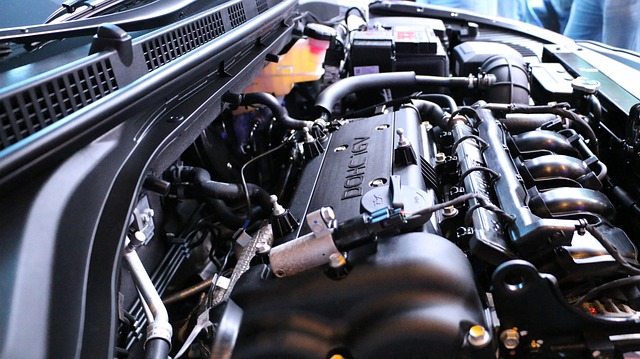
When registering a car in California, ensuring the vehicle’s authenticity is paramount to prevent fraud and legal issues. One crucial step in this process is using a Vehicle Identification Number (VIN) verifier to cross-reference the provided details with reliable data sources. This verification method has become increasingly vital as technology advances, allowing for more sophisticated methods of tampering and theft. A VIN verifier can detect any discrepancies between the physical vehicle and its recorded specifications, including engine type, model year, and even history of ownership changes.
For instance, mobile VIN verification services have gained popularity due to their convenience and efficiency. These services employ specialized apps or devices that capture the VIN from a car’s registration documents or plate and cross-check it against national databases, such as the National Motor Vehicle Title Information System (NMVTIS). This real-time inspection can reveal if there are any reported accidents, outstanding loans, or thefts associated with the vehicle, which could impact its legal status for registration.
By utilizing a VIN verifier, California residents can enhance the integrity of their car’s registration process. This step not only safeguards against fraudulent activities but also ensures that vehicles on the road meet safety and regulatory standards. Mobile VIN inspection tools, in particular, offer a straightforward and time-saving alternative to traditional verification methods, catering to today’s fast-paced automotive landscape.
Complete and Submit Your Car Registration Application

To complete your car registration process in California, you’ll need to fill out and submit a Car Registration Application (Form DV304). This form requires accurate information about your vehicle and its history, including details that can be verified using a Vehicle Identification Number (VIN) verifier. Start by gathering all necessary documents such as proof of insurance, a valid driver’s license, and the certificate of title from any previous registration. Ensure your VIN is legible and accurate—a mobile VIN inspection or verification service can help ensure this.
The application form will prompt you to disclose significant vehicle history, including any accidents, damage, or outstanding loans. This step is crucial as it protects both you and the state by ensuring all relevant information is on record. If your car has a unique or classic status, additional documentation may be required. In such cases, a mobile VIN verifier can help expedite the process by providing instant, official data about your vehicle’s history and specifications.
Once your application is complete, submit it along with the necessary fees to the California Department of Motor Vehicles (DMV). You can do this in person at a local DMV office or via mail if preferred. Remember, timely submission ensures uninterrupted registration and allows you to legally operate your vehicle on California roads. A mobile VIN verification service can offer peace of mind by ensuring your application’s accuracy before submission, reducing potential delays.
By meticulously following California’s car registration requirements, from gathering essential documents to selecting the right vehicle class, you ensure a smooth process. Utilizing a VIN verifier is crucial for verifying your vehicle’s authenticity, adding a layer of protection against fraud. Completing the application accurately and submitting it promptly secures your car’s legal status. This guide empowers you with the knowledge to navigate this process confidently, ensuring your vehicle complies with California’s standards efficiently.