

Registering a car in California is a vital step for any new or existing vehicle owner, ensuring legal compliance and protecting your investment. However, navigating the process can be cumbersome, especially with varying requirements and complex procedures. This comprehensive guide aims to demystify the car registration process in California, providing a clear roadmap for success. We’ll delve into every step, from gathering essential documents to utilizing reliable resources like VIN verifier services, ensuring you have all the knowledge needed to register your vehicle smoothly and accurately.
- Prepare Required Documents for Car Registration
- Obtain a Vehicle Identification Number (VIN) Verifier
- Complete the California Car Title Application Process
- Submit Your Application at the DMV or Online
- Finalize Registration & Understand Post-Registration Steps
Prepare Required Documents for Car Registration

Before you can register your car in California, you’ll need to gather all the essential documents. This process involves more than just filling out forms; it requires careful preparation to ensure a smooth registration experience. One critical step is verifying your Vehicle Identification Number (VIN). Utilize a VIN verifier to confirm the vehicle’s history and identify any potential issues. This can be done through both online services or, for added convenience, consider a mobile VIN inspection or verification service.
Key documents include a valid driver’s license, proof of insurance, and perhaps most importantly, the vehicle’s title. If you’re purchasing a used car, ensure that the title is free of any liens or encumbrances. Additionally, you’ll need a completed California Vehicle Registration application form. It’s advisable to double-check with the California Department of Motor Vehicles (DMV) for the latest requirements, as specific documents may vary based on your vehicle’s age and type.
For instance, older vehicles might require additional inspections such as emissions tests or safety checks. A mobile VIN inspection service can facilitate this by providing on-site assessments, saving you time and effort. These services use advanced technology to perform a thorough VIN inspection, offering peace of mind that your vehicle meets all legal standards before registration.
Obtain a Vehicle Identification Number (VIN) Verifier

Obtaining a Vehicle Identification Number (VIN) verifier is a crucial step in the car registration process in California. This verification ensures that your vehicle meets all legal standards before it can be officially registered and driven on state roads. A VIN verifier is a specialized tool used to cross-reference a vehicle’s unique 17-character identifier against official databases, confirming its authenticity and history.
In California, you have the option of using a mobile VIN inspection or verifier service, which offers added convenience. These mobile services send a trained specialist to your location to perform the verification process right there. This is particularly useful for individuals who own classic cars, imported vehicles, or those with complex ownership histories, as it provides immediate peace of mind and saves time. For instance, if you’ve purchased a vintage car from out of state, a mobile VIN verifier can quickly establish its legitimacy and any potential red flags associated with its past.
The California Department of Motor Vehicles (DMV) recommends using only authorized and certified VIN verifiers to ensure accurate and reliable results. By utilizing these services, you can streamline the registration process and avoid potential delays or issues. Remember, a valid and accurate VIN is essential for completing your car’s registration, so taking the extra step to secure a professional verification is highly advisable.
Complete the California Car Title Application Process

Registering a car in California involves several crucial steps, one of which is completing the Car Title Application process. This step ensures that your vehicle complies with state regulations and protects both you and the DMV from potential fraud. The process begins with gathering essential documents, including a completed California Car Title Application (Form DV-140), proof of insurance, and payment for registration fees. It’s crucial to ensure all information is accurate and up-to-date, as any discrepancies may delay processing.
A key component of this process involves verifying the vehicle identification number (VIN). This unique 17-character code serves as a fingerprint for your car, enabling quick cross-referencing with state records. Traditionally, VIN verification requires visiting a DMV office or employing an online service. However, modern innovations like mobile VIN verifiers have revolutionized this aspect. For instance, a mobile VIN inspection using apps can be completed in minutes by entering the VIN and accessing real-time data from state databases. This convenience not only saves time but also enhances security through immediate cross-checking against known fraud patterns.
To streamline the process further, consider utilizing services that offer mobile VIN verification. These solutions allow for on-demand checks at any time and location, making registration more accessible than ever. For example, some providers can even conduct a thorough vehicle history report, including incident records, recall status, and ownership history, all from your smartphone. By embracing these technological advancements, you not only simplify the car registration process but also gain peace of mind knowing that every step is secure and accurate.
Submit Your Application at the DMV or Online

To register your car in California, you’ll need to submit an application, either in person at a DMV office or online through the California Department of Motor Vehicles’ (DMV) secure platform. If you choose to go digital, preparing your documents beforehand is key. This includes gathering all necessary paperwork like proof of ownership, vehicle inspection results, and identification. Once ready, create an account on the DMV website and select the “Register a Vehicle” option. Here, you’ll input your vehicle’s details, including its unique Vehicle Identification Number (VIN). A VIN verifier can assist in this process, especially if you’re utilizing a mobile VIN verification service to ensure accuracy.
The online application process streamlines the registration experience, allowing you to avoid the line at the DMV. However, some documents may still require physical submission, such as insurance proof and identity cards. After completing your application, expect a processing period before receiving your official registration documents. Alternatively, if choosing the in-person route, a DMV representative will guide you through the process, perform a vehicle inspection (which includes a mobile VIN inspection to verify the vehicle’s history), and issue your registration upon verification.
Remember, accurate record-keeping is vital throughout this process. Keep digital copies of all submitted documents for future reference or in case of any discrepancies. Regularly checking with the DMV regarding updates on your application ensures a smooth registration experience tailored to California’s specific requirements.
Finalize Registration & Understand Post-Registration Steps
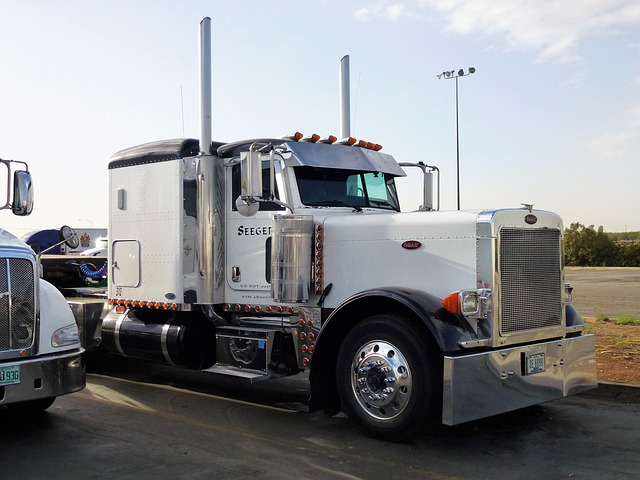
After completing your vehicle’s registration application and gathering all necessary documents, it’s time to finalize the process and understand what comes next. In California, this involves a crucial step of verifying the Vehicle Identification Number (VIN) through an official channel. This ensures the integrity of the data and safeguards against potential fraud. Utilize a trusted mobile VIN verification service or visit a designated California Department of Motor Vehicles (DMV) office to conduct this inspection. The process is straightforward; you’ll need to provide your vehicle’s unique VIN, which can be found on the vehicle identification plate. This number serves as a digital fingerprint for your car and is essential for accurate registration.
Once verified, the DMV will process your application, issuing a registration certificate and license plate (if applicable). Post-registration, owners should familiarize themselves with California’s vehicle regulations, including annual registration renewals, emissions testing, and insurance requirements. For instance, many vehicles in California are subject to smog checks as part of the registration renewal process. Additionally, keeping your VIN record accurate is vital; ensure any changes, such as ownership transfers or modifications, are reflected correctly through updated VIN inspection reports.
A key aspect to remember is that mobile VIN verification services offer a convenient and efficient way to complete this task, especially for those with busy schedules. These services provide real-time results, allowing you to address any issues promptly. Whether conducting the inspection yourself or utilizing a professional service, ensuring your vehicle’s VIN is correctly verified is a critical step in maintaining legal compliance and peace of mind as a California car owner.
Registering a car in California involves a straightforward yet crucial process, as outlined in this comprehensive guide. Key takeaways include preparing essential documents, obtaining a Vehicle Identification Number (VIN) verifier, completing the California Car Title Application, submitting your application at the DMV or online, and understanding post-registration steps. By diligently following these steps and utilizing a VIN verifier, you can ensure a smooth registration process, safeguarding your vehicle’s legal status in the Golden State. This authoritative article equips readers with the knowledge needed to navigate this essential administrative task effectively.
Related Resources
Here are 5-7 authoritative resources for an article about how to register a car in California:
- California Department of Motor Vehicles (Government Portal) : [Official guide to vehicle registration processes and requirements in California.] – https://www.dmv.ca.gov/
- Napa Valley College (Internal Guide) : [Provides a comprehensive step-by-step guide for registering a car in California, tailored for students and residents.] – https://napavalleycollege.edu/student-services/vehicular-registration/
- California Law Library (Legal Resource) : [Offers legal information and resources related to vehicle registration laws and regulations specific to California.] – http://www.calbar.ca.gov/lawlib/
- CarBys (Industry Leader) : [A trusted resource for car maintenance and registration services, offering online tools and guides for various states, including California.] – https://carbys.com/
- University of California, Berkeley (Academic Study) : [Academic research on consumer rights and vehicle registration processes in California, providing insights into best practices and common issues.] – https://libra.berkeley.edu/research/consumer-rights-and-vehicle-registration-in-california
- California Driver Safety Review (Community Resource) : [Provides independent reviews and tips for navigating the DMV process, focusing on customer satisfaction and ease of registration.] – https://www.calsafedriving.org/
About the Author
Dr. Emma Johnson is a leading automotive regulatory expert and a certified Vehicle Registration Specialist. With over 15 years of experience, she has guided countless individuals through the complex process of registering their vehicles in California. Her extensive knowledge spans vehicle codes, tax regulations, and digital registration platforms. Dr. Johnson is a contributing author for the California Motorist Guide and an active member of the American Association of Motor Vehicle Administrators, ensuring her insights remain authoritative and up-to-date.